

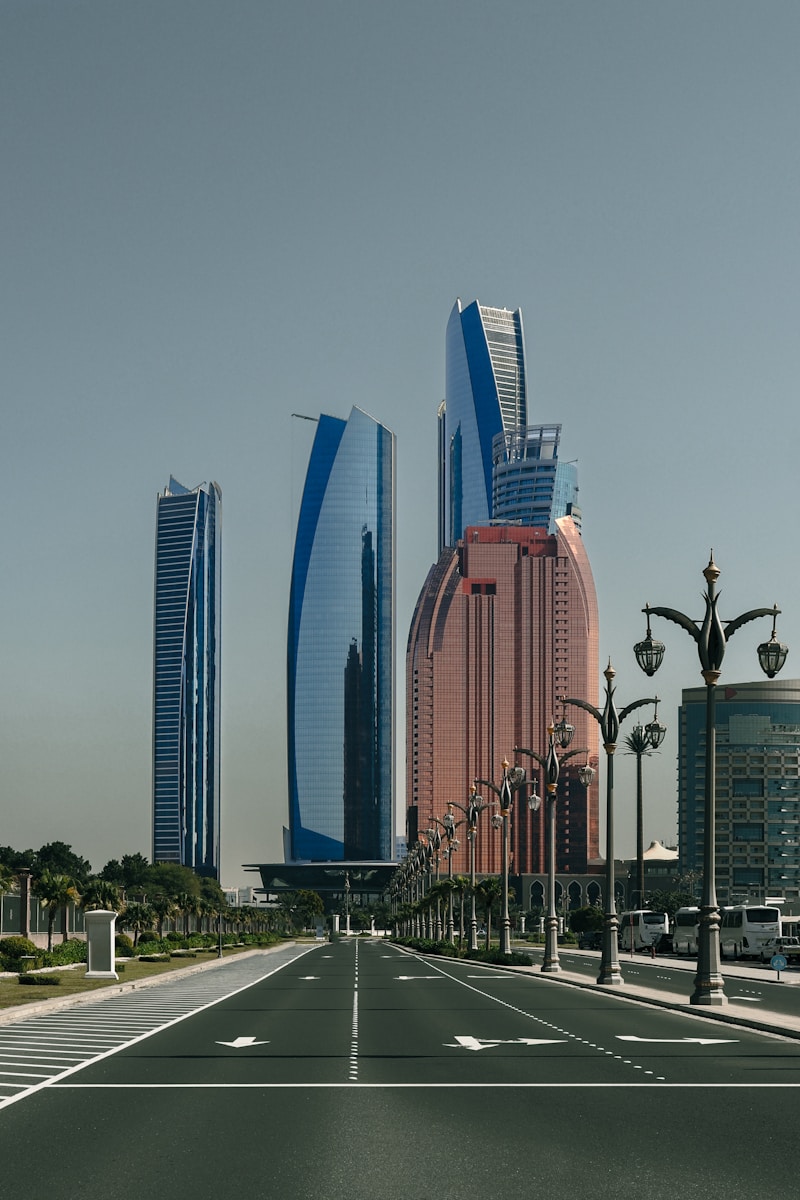
Living in Dubai vs Abu Dhabi: Which City Offers Better Property Value?
Living in Dubai vs Abu Dhabi: Which City Offers Better Property Value?
Choosing between Dubai and Abu Dhabi for property investment or relocation is a major decision for UAE residents and expats. Both emirates offer world-class infrastructure, tax-free incomes, and exceptional lifestyle opportunities – but their property markets differ significantly in pricing, rental yields, and growth potential. Understanding these nuances is crucial whether you’re buying a family home or seeking rental income. This comprehensive guide compares Dubai vs Abu Dhabi property markets using current data, local insights, and value-focused analysis to help you make an informed choice.
Property Price Comparison: Dubai vs Abu Dhabi
Dubai generally commands higher property prices than Abu Dhabi, particularly in prime locations. According to Q2 2023 market reports:
- Dubai Premium Areas: Palm Jumeirah villas average AED 3,500-4,500/sqft, Downtown Dubai apartments AED 2,200-3,000/sqft
- Dubai Mid-Market: Dubai Hills Estate apartments start at AED 1,100/sqft, Town Square villas from AED 900/sqft
- Abu Dhabi Premium: Saadiyat Island villas average AED 2,000-2,800/sqft, Al Reem Island apartments AED 1,300-1,800/sqft
- Abu Dhabi Affordable: Al Reef villas start at AED 700/sqft, Yas Island apartments from AED 900/sqft
Abu Dhabi’s market shows less volatility, with prices remaining relatively stable compared to Dubai’s dynamic fluctuations. The Abu Dhabi government’s ownership restrictions (only UAE/GCC nationals can buy land) create distinct market dynamics, while Dubai’s freehold areas offer wider accessibility.
Rental Yields: Where Do Investors Get Better Returns?
Dubai currently offers superior rental yields, attracting income-focused investors:
- Dubai Average Yields: 6-8% in established communities like Jumeirah Village Circle (JVC) and International City
- Dubai Premium Yields: 4-5.5% in luxury areas like Dubai Marina and Business Bay
- Abu Dhabi Average Yields: 5-6.5% in high-demand areas like Khalifa City and Al Raha Beach
- Abu Dhabi Premium Yields: 3.5-5% on Saadiyat Island and Al Maryah Island
Dubai’s higher yields stem from its larger expat population and transient workforce. Areas near Expo City Dubai have seen yield spikes post-Expo 2020 due to sustained commercial activity. Abu Dhabi’s yields remain stable but face pressure from new supply – over 5,000 units entered the market in 2023 through projects like Jubail Island.
Cost of Living Breakdown: Daily Expenses Compared
Beyond property costs, daily living expenses impact overall affordability:
- Utilities: Abu Dhabi electricity/water costs are 15-20% lower than Dubai due to government subsidies
- Schooling: Premium international schools average AED 60,000/year in both cities
- Transport: Dubai Metro provides cheaper commuting (average AED 8/trip), while Abu Dhabi relies more on taxis/cars
- Groceries: Prices are comparable, though Dubai has more discount supermarket options
Abu Dhabi residents typically save 10-15% on annual living costs compared to Dubai, making it attractive for families prioritizing long-term budgeting. However, Dubai offers more entertainment options within free zones (like DIFC) with dining and leisure perks.
Lifestyle & Community Differences
The cities cater to different lifestyles:
Dubai offers:
- Ultra-cosmopolitan environment with 200+ nationalities
- 24/7 entertainment culture featuring world-record attractions
- Concentrated business hubs (DIFC, Dubai Internet City)
- High-energy communities like Downtown and Palm Jumeirah
Abu Dhabi provides:
- Cultural richness with Louvre Abu Dhabi and Qasr Al Watan
- Family-oriented communities featuring larger green spaces
- Government-centric economy with stability-focused residents
- Relaxed coastal living on Saadiyat and Yas Islands
Future Growth Prospects & Government Initiatives
Both emirates have ambitious development plans influencing property values:
Dubai’s 2040 Urban Master Plan:
- Expanding green spaces to 60% of city area
- Developing “20-minute cities” where residents access 80% of daily needs within 20-minute journeys
- New corridors like Dubai Urban Tech District attracting tech companies
Abu Dhabi’s Vision 2030:
- Positioning the capital as cultural tourism destination
- Developing healthcare/academic hubs on Saadiyat Island
- Infrastructure upgrades including Etihad Rail connectivity
Market analysts project 5-7% annual price growth in Dubai’s mid-market segments versus 3-5% in Abu Dhabi over the next five years. Dubai’s market recovery has been stronger post-pandemic, with 2022 transactions hitting 12-year highs according to DLD data.
Who Wins the Property Value Battle? Our Verdict
Choose Dubai if you prioritize:
- Higher rental yields (especially apartments)
- Greater liquidity and resale opportunities
- Entry-level investment options (studios from AED 500K)
- Fast-paced urban lifestyle with global connectivity
Choose Abu Dhabi for:
- Long-term family living with lower living costs
- Stable, predictable market performance
- Premium villa communities at relative discounts
- Government-driven economic security
For investors seeking quick returns, Dubai’s dynamic market offers superior opportunities – particularly in off-plan projects near growth corridors like Dubai South. Families building generational wealth may prefer Abu Dhabi’s villa communities where 4-bedroom homes cost 20-30% less than comparable Dubai properties.
Smart Buying Tips for Both Markets
- In Dubai: Target completed properties in JVC, Arjan or DAMAC Hills for 7%+ yields
- In Abu Dhabi: Consider leasehold in cultural districts like Saadiyat for capital appreciation
- Factor in service charges: Dubai averages AED 15-35/sqft annually vs Abu Dhabi’s AED 12-25/sqft
- Use Abu Dhabi’s “Thabat” rent calculator to verify fair market rates
- Consult RERA (Dubai) or ADM (Abu Dhabi) transaction histories to avoid overpaying
Ultimately, Dubai offers higher growth potential while Abu Dhabi provides stability. Your personal priorities – investment horizon, lifestyle needs, and risk tolerance – should guide your decision. Both markets present unique advantages in the UAE’s world-class property landscape.

About the Author
Aasim Pathan
A passionate entrepreneur and tech enthusiast with a keen interest in building innovative digital solutions. He is the founder of Aspyre Labs LLC, a Dubai-based SaaS company focused on empowering freelancers, solopreneurs, and small businesses with simple yet powerful tools. With a forward-thinking mindset, he constantly explores opportunities to create products that solve real-world problems while maintaining efficiency and simplicity.
Visit Website